The short version
- A heat pump moves heat instead of making it, so it delivers far more heat per dollar than electric baseboards, and it cools your house in summer as well.
- Whether it beats gas on running cost depends on the gap between your gas and electricity rates and on how cold it is outside. In a Mississauga cold snap, gas usually wins.
- A hybrid setup, heat pump plus gas furnace, runs whichever is cheaper at the outdoor temperature. For a house that already has gas, it is usually the right answer.
- If the furnace is fine and the air conditioner has died, replacing the air conditioner with a heat pump is the cheapest way in.
What each one actually does
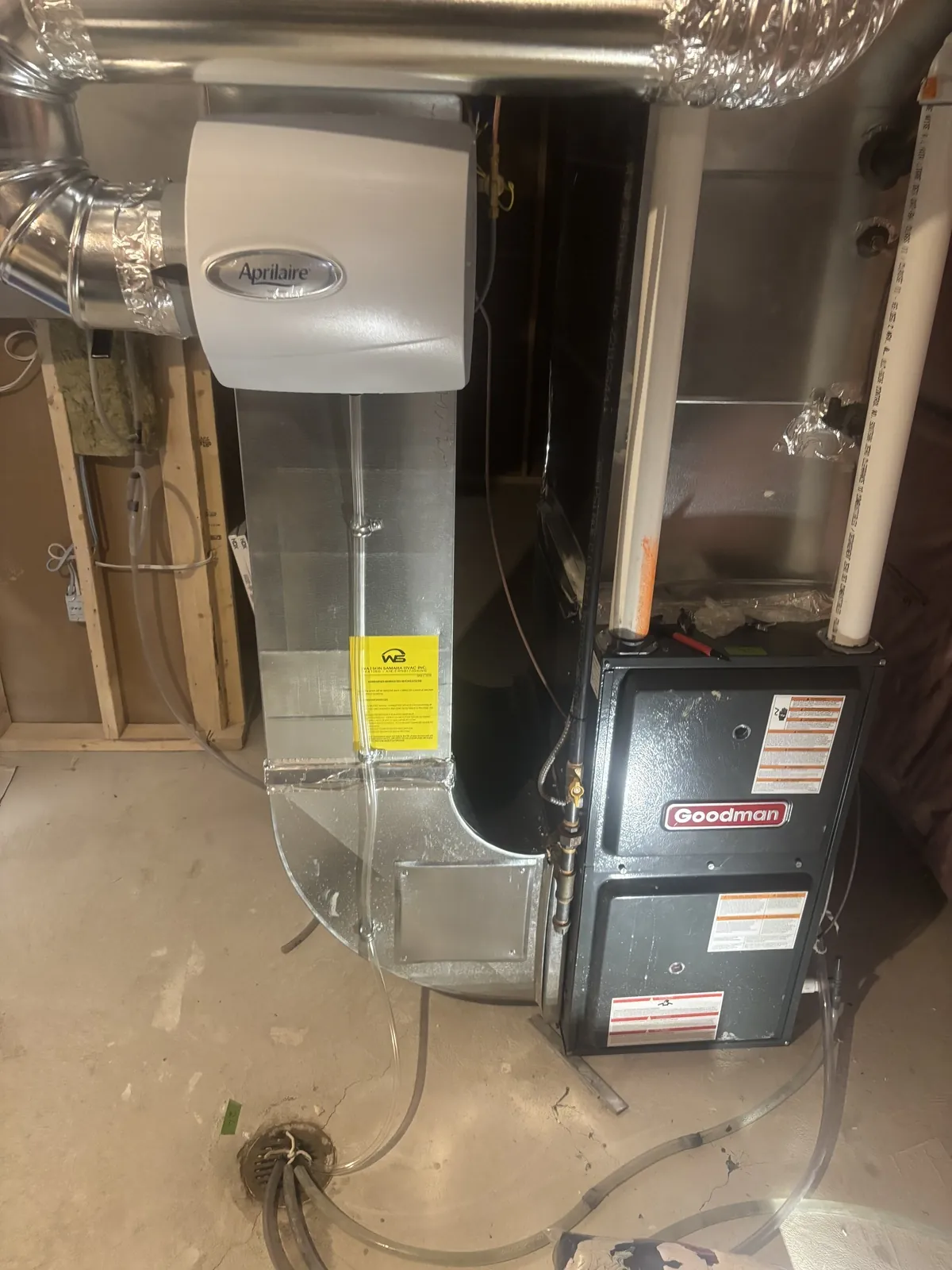
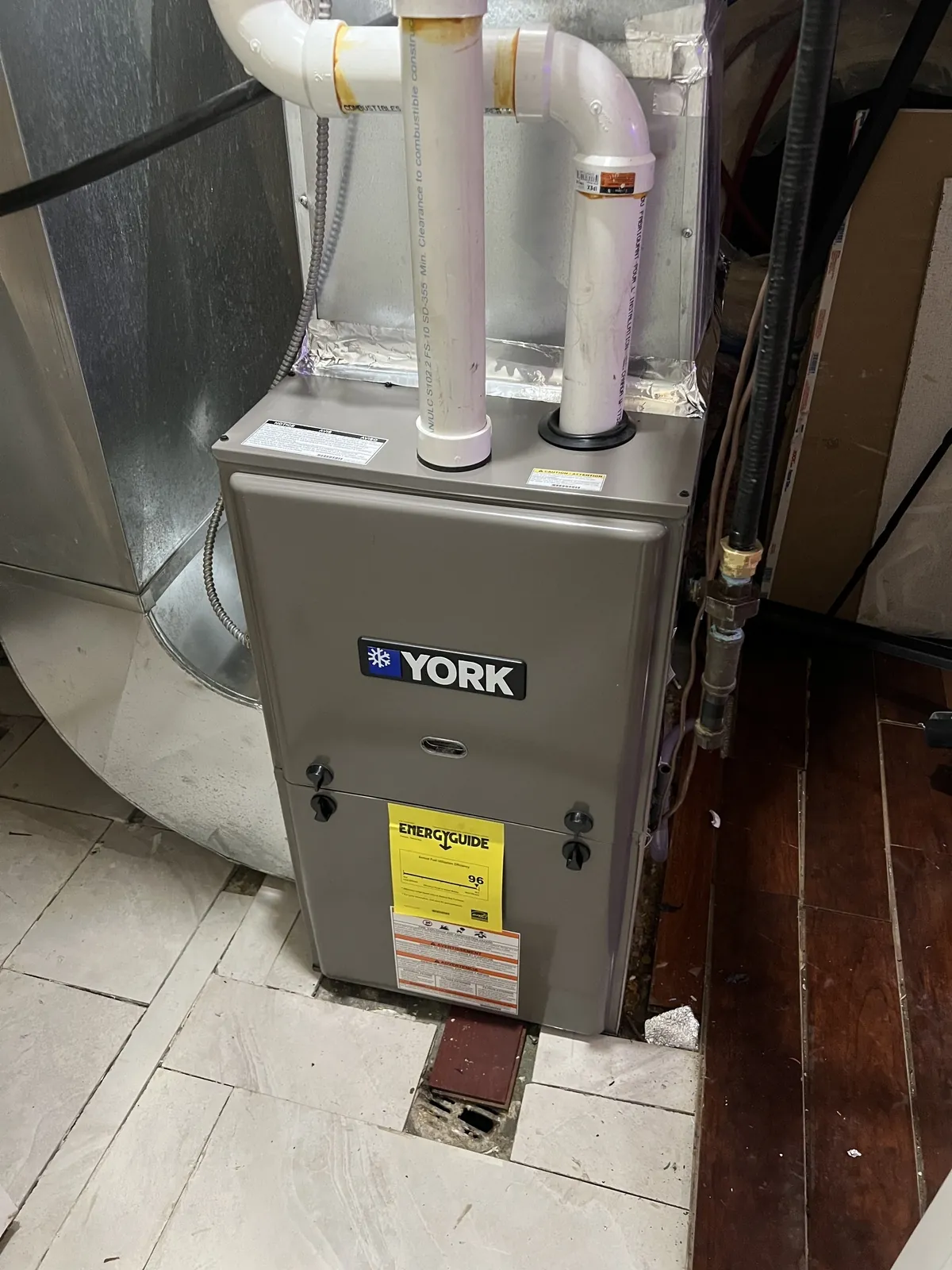
A gas furnace burns natural gas in a heat exchanger and a blower pushes the warmed air through your ducts. A modern condensing furnace turns 95 percent or more of the gas it burns into heat in the house. It is simple, it is fast, and the supply air coming out of the vents is hot.
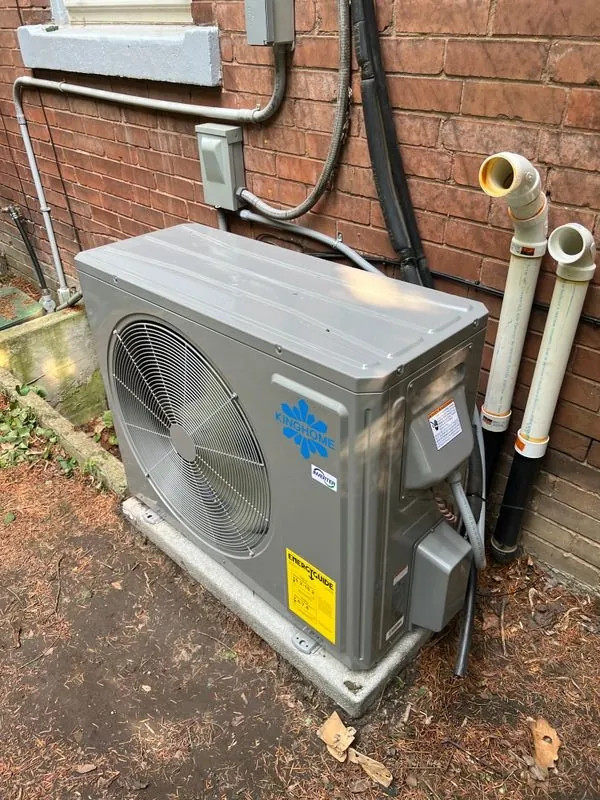
A heat pump is an air conditioner that can run in reverse. In summer it pulls heat out of the house and dumps it outside. In winter it pulls heat out of the outdoor air, even cold air, and moves it inside. Because it moves heat rather than making it, one unit of electricity can deliver two to three units of heat in mild weather.
The catch is the word mild. As the outdoor temperature falls there is less heat in the air to collect, so the output drops and the efficiency drops with it. Older heat pumps gave up around freezing. Cold-climate models keep producing useful heat well below that, and the manufacturer's rating sheet will tell you how much at minus 15 and minus 25 degrees.
The short answer to the heat pump vs furnace question
In Mississauga, a heat pump handles most of the heating season on its own and a gas furnace handles the coldest weeks more cheaply. The system that does both, called hybrid or dual fuel, is what most homeowners who already have gas end up choosing.
Running cost depends on the spread, not the technology
People want a single answer on which is cheaper to run. There is not one, because it depends on two numbers that change: what you pay for a cubic metre of gas and what you pay for a kilowatt hour of electricity. Your bills have both.
At 5 degrees outside a heat pump is very efficient and usually beats gas. At minus 15 it is working much harder, and at Ontario rates gas is usually the cheaper fuel at that point. Somewhere between the two is a switchover temperature where the cost is the same. A hybrid system lets you set that temperature at the thermostat, and it changes over on its own.
Mississauga winters spend far more hours between minus 10 and plus 5 than they spend below minus 15. That is why a heat pump can carry most of the season while the furnace only runs for the cold snaps. Anyone who tells you a heat pump will cut your heating bill in half, or that it will double it, has not looked at your bills.
- Gas rates rise: the switchover point moves colder and the heat pump runs more.
- Electricity rates rise: the switchover point moves warmer and the furnace runs more.
- Either way the hybrid system keeps running the cheaper one, which a single-fuel system cannot do.
What it feels like in the house
This is where most of the complaints about heat pumps come from, and most of them are about expectations rather than faults.
A furnace blows hot air in short bursts. A heat pump blows warm air for longer. The supply air from a heat pump is well above room temperature, but it is not the hot blast people are used to holding their hands over, so some people assume it is not working. The house temperature is actually steadier, because the system runs longer at a lower output instead of switching on and off.
On a cold, damp morning the outdoor unit will stop, run its fan differently, and give off a cloud of steam for a few minutes. That is a defrost cycle clearing ice off the coil. It is normal. In summer the same unit cools the house exactly as an air conditioner would.
The outdoor unit makes about as much noise as an air conditioner, but it now runs in winter too. Where it sits matters. Away from a bedroom window and up off the ground where snow collects is the right place, and that is a conversation to have before the installation day, not after.
What each option costs to install
The pricing list on this site publishes real installed prices rather than ranges. A new gas furnace runs from $3,250 + HST for a 40,000 BTU single stage unit to $5,500 + HST for a 120,000 BTU unit. A new central air conditioner runs from $3,750 + HST for a 1.5 ton unit to $7,500 + HST for a 5 ton unit.
A heat pump is priced per home, because the size, the cold-climate rating and any electrical work change the number more than they do for a plain air conditioner. The instant estimate tool gives you an installed price in two questions, and the price is confirmed in writing before any work starts. Financing is available from $42 a month on qualifying installs.
| Setup | Heats with | Cools with | Suits |
|---|---|---|---|
| Furnace and air conditioner | Gas only | Air conditioner | Lowest upfront cost. A house you may sell within a few years. |
| Hybrid: furnace and heat pump | Heat pump most days, gas on the coldest | Heat pump | Most Mississauga houses that already have gas and need a new AC or furnace. |
| Heat pump only | Heat pump, with electric backup | Heat pump | A house with no gas service, an addition, or an owner going all-electric. |
Two things can add to any heat pump quote. The electrical panel needs enough capacity for the outdoor unit, and a full panel means an upgrade. And a heat pump only setup needs backup heat for the very coldest hours, which is usually an electric heater built into the air handler.
Rebates change the math, so check them before you buy
Ontario's Home Renovation Savings program, run by Enbridge Gas and Save on Energy, includes heat pumps among the upgrades it pays rebates on. The amounts and the rules change, and some measures need a home energy assessment before the equipment goes in, so read the current terms on the program's own site before you sign anything.
The order matters. If a program requires an assessment first, buying the heat pump before the assessment can cost you the rebate. Ask the installer which programs the quoted equipment qualifies for and what has to happen first.
When a plain furnace replacement is still the right call
A heat pump is not the answer for every house, and a good installer will say so.
- The furnace has failed and the air conditioner is fine. Replace the furnace. You can add a heat pump when the air conditioner reaches the end of its life, and nothing about a new furnace prevents that.
- You are selling within a couple of years. A new furnace is the cheaper way to leave the house in good order.
- The electrical panel is full. A panel upgrade on top of the equipment can push the total past what the running cost savings will ever return.
- There is no room for the outdoor unit. A narrow side yard by a neighbour's bedroom window is a complaint waiting to happen.
And when the air conditioner is the one that has died, the opposite applies. The outdoor unit is being replaced anyway, the cost difference between an air conditioner and a heat pump is the smallest it will ever be, and your gas furnace becomes the backup for free. That is the cheapest way into a hybrid system.
How to decide, in four questions
- What has actually failed? Replace what is broken. Add the heat pump on the cooling side if the furnace still has years left.
- How long will you own the house? Under three years, keep it simple. Over five, the running cost savings and the rebates have time to work.
- What does your panel have? A quick look at the electrical panel tells the installer whether a heat pump needs extra work.
- Which rebates apply, and what do they need first? Get that answer in writing before the equipment is ordered.
If you want a second opinion on your own house, send us the age of the furnace and the air conditioner and the rough size of the home. We will tell you what we would do in our own home, and the price is agreed before any work starts.