The short version
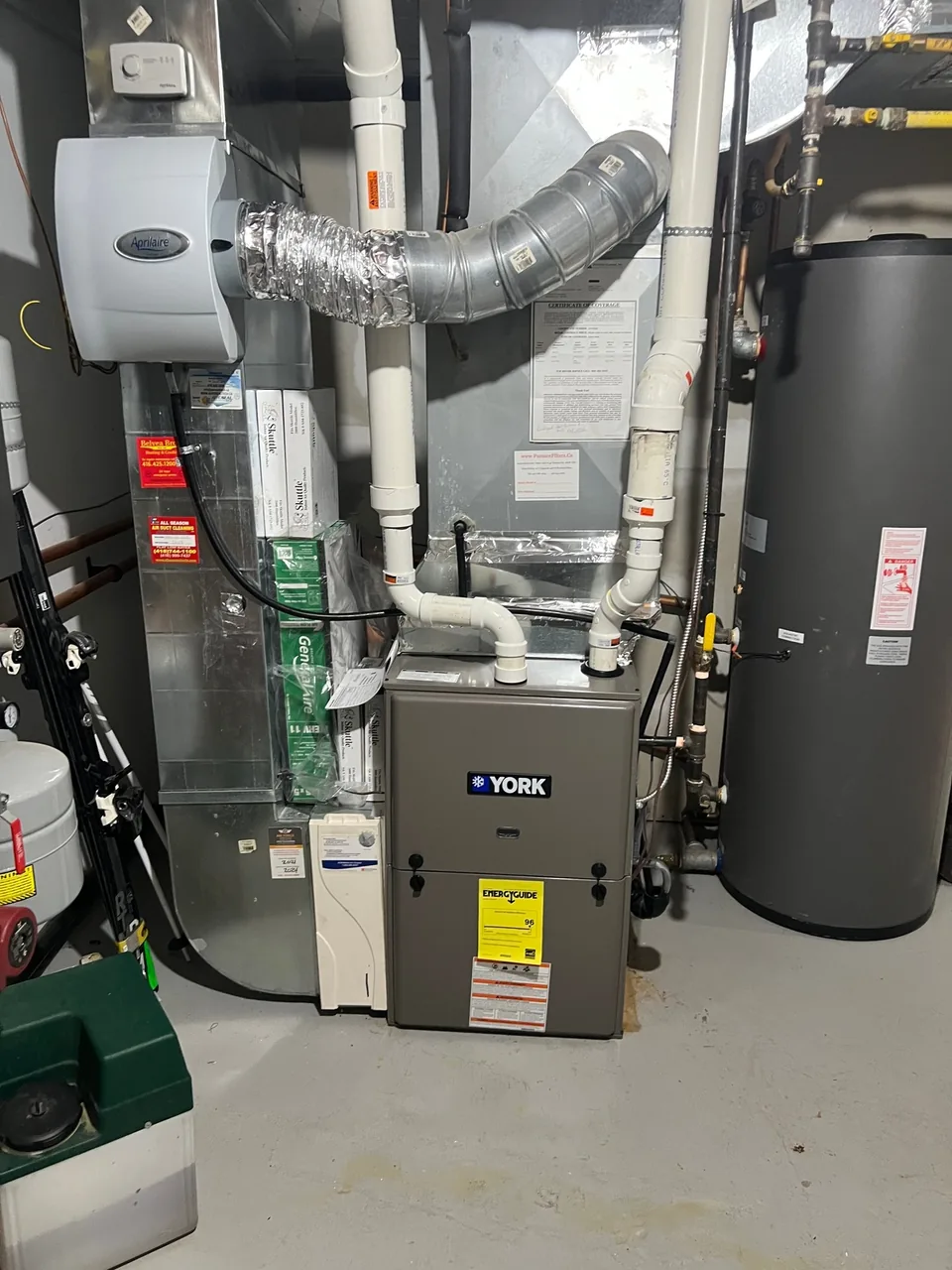
- Installed furnace prices on our pricing list start at $3,250 + HST for a 40,000 BTU single stage unit and run to $5,500 + HST for a 120,000 BTU one.
- That price covers the equipment and a standard replacement. It is a ticket price, not a range.
- The size comes from a heat loss calculation. Copying the number off the old furnace is how houses end up oversized.
- What changes the total is the work around the furnace: venting, the condensate drain, the gas line, the electrical and the ducts.
What a new furnace costs, by size
Most contractors publish a range and ask you to book a visit to find out where in it you land. We publish the actual prices instead. Every figure below is on the pricing list and covers the equipment and the installation together.
| Size | Type | Installed price |
|---|---|---|
| 40,000 BTU | Keeprite single stage | $3,250 + HST |
| 40,000 BTU | Keeprite two stage | $3,750 + HST |
| 80,000 BTU | Keeprite single stage | $3,750 + HST |
| 80,000 BTU | Keeprite two stage | $4,250 + HST |
| 100,000 BTU | Keeprite two stage | $4,750 + HST |
| 120,000 BTU | York two stage | $5,250 + HST |
| 120,000 BTU | Keeprite | $5,500 + HST |
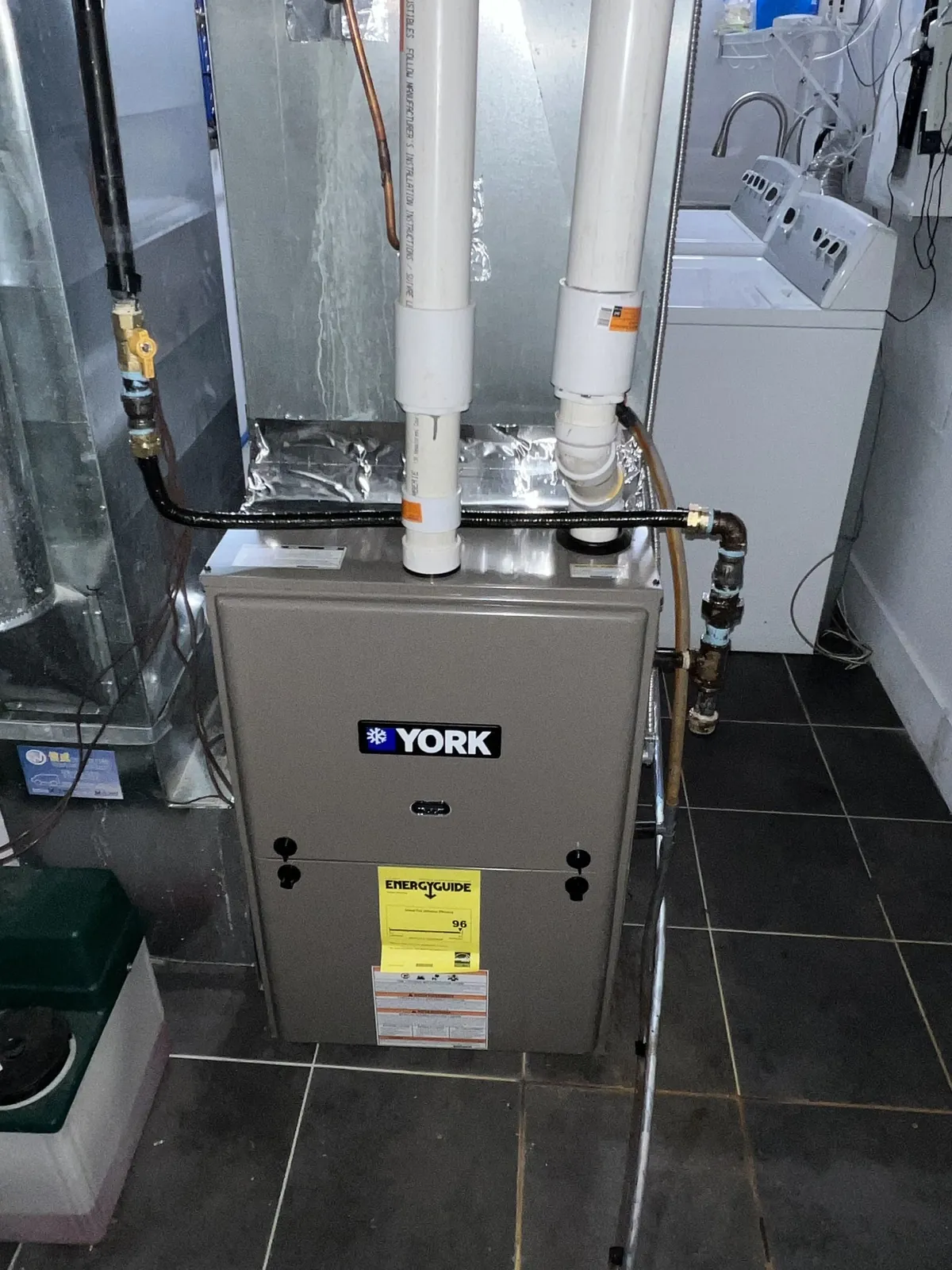
The old unit is disconnected, removed and disposed of, the new one is set and connected, the venting is run, and the system is tested before we leave. There is no separate disposal line and no delivery charge.
Financing is available at 0% with payments from $42 a month on qualifying installs, so a furnace that fails in January does not have to be paid for in January.
The size comes from a heat loss calculation
The single biggest thing setting the price is the BTU size, and the size is not a guess. It comes from a heat loss calculation: how much heat the house gives up on a cold day, and how fast.
Square footage alone will not tell you. Two houses of the same size on the same street can need different furnaces if one has been reinsulated and had its windows done and the other has not.
- Insulation in the attic and the walls.
- Window area, window age and which way the house faces.
- How leaky the house is, which is mostly an age question.
- Whether an addition or a converted garage is on the same system.
The common shortcut is to read the plate on the old furnace and order the same size. That copies whatever mistake was made twenty years ago. Older houses in Mississauga were often fitted with more furnace than they needed, and the ones that have been renovated since need less again.
Bigger is not better
An oversized furnace heats the house in short bursts and shuts off, which is called short cycling. You get warm and cold swings, more noise, more wear on the ignition parts and no saving on gas. Right sized beats oversized every time.
Single stage or two stage
A single stage furnace has one setting: full output until the thermostat is satisfied. A two stage furnace runs on a lower output most of the time and only uses full output when the weather demands it.
On our list, two stage costs about $500 more than single stage in the same size. What you get for it:
- Longer, gentler run times, so the temperature between rooms evens out.
- Less noise, because most of the season it is running on the low setting.
- Better air filtering, because air passes the filter for more hours.
For a bungalow that heats evenly already, single stage is fine and the money is better spent elsewhere. For a two storey house where the upstairs is always colder than the main floor, two stage is usually the better buy.
What moves the price past the ticket
The prices above cover a straight replacement in a house where the venting, gas line, ductwork and electrical are already in good shape. That is most houses. Here is what makes a house one of the others.
- The furnace vents into the chimney. A modern condensing furnace vents in plastic pipe through a side wall and needs a condensate drain. That is new pipe, a new wall penetration and a drain, and it is labour rather than equipment.
- A hot water tank shares that chimney. Take the furnace off it and the chimney can be left oversized for the tank on its own. That has to be dealt with in the same job, sometimes by moving the tank to a power vent.
- The gas line is undersized. Going up in BTU output can mean a larger line back to the meter.
- The electrical is not there. A dedicated circuit for the furnace is straightforward. A full panel is not.
- The return duct is too small. A new furnace moves more air than a thirty year old one. If the return cannot feed it, the ducts need work or the furnace will never perform.
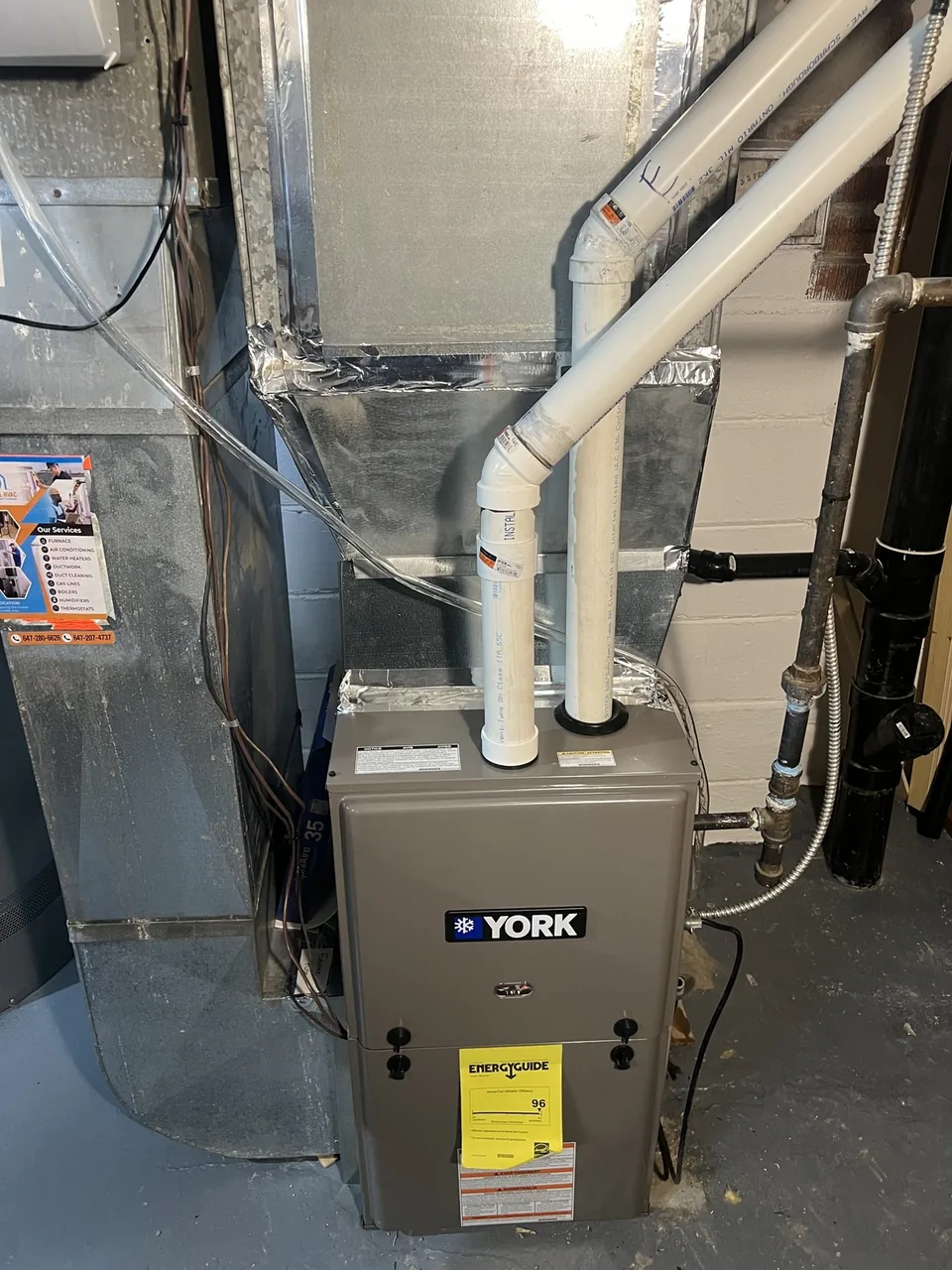
Every one of these is quoted separately and shown to you line by line before anything starts. What you should not accept, from us or anyone else, is finding out about them on installation day.
The gas permit and inspection are part of the job in most municipalities and are included in what we quote.
Replace it, or repair it one more time
If the furnace still works, the honest question is whether this repair is the last one. Most gas furnaces are replaced somewhere between fifteen and twenty years old. Past that, parts get scarce and the failures start arriving in pairs.
One rule of thumb worth knowing is on our pricing page: multiply the age of the unit in years by the repair estimate. If the answer is over $5,000, replacement is usually worth pricing.
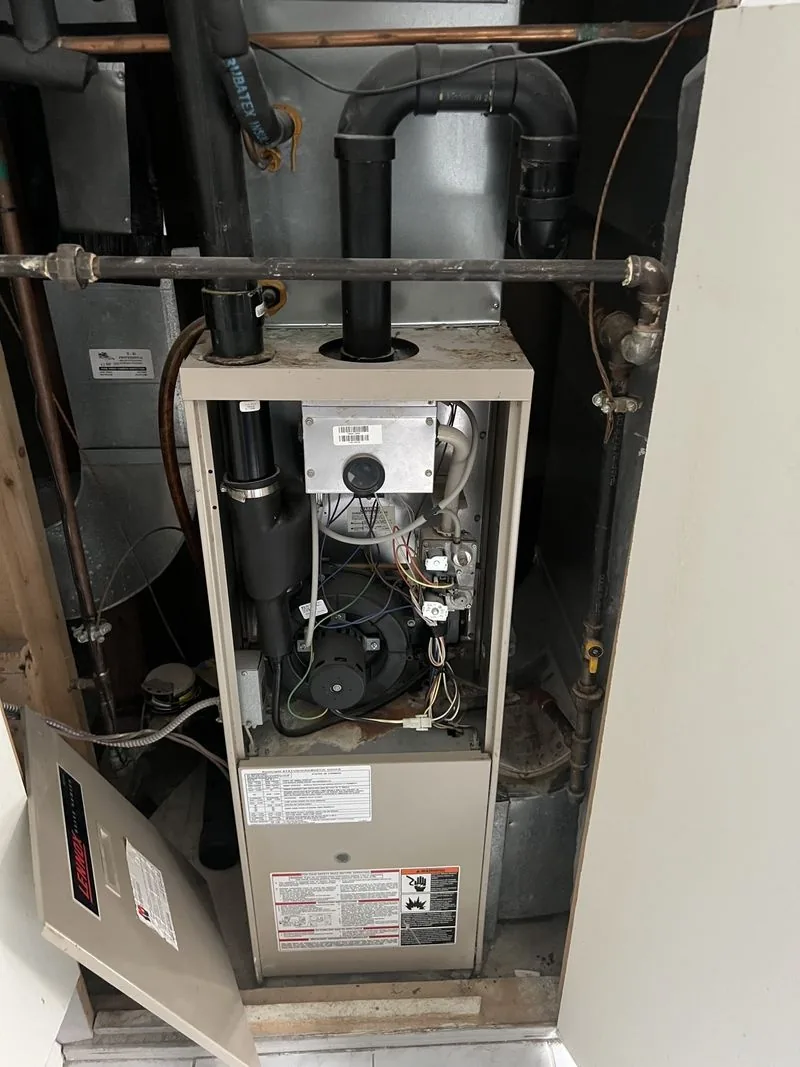
- Under ten years old with a small fault: repair it.
- Twelve to fifteen years with rising bills or a second repair in two seasons: price both.
- Cracked heat exchanger at any age: replace it. That one is a safety call, not a money one.
- Air conditioner the same age and also failing: doing both together saves labour and lets us match the blower to the coil.
Ask for the repair price and the replacement price in the same visit, and for a plain answer on which one we would choose. A furnace repair in October is often right even when replacement is coming.
How to read two quotes side by side
- Check the size. If two quotes are for different BTU outputs, one of them has not done a heat loss calculation.
- Check the stage. A two stage unit against a single stage one is not the same quote, and the gap is roughly the $500 difference on our list.
- Look for what is missing. Venting, condensate, permit, disposal and the thermostat should each be named. Silence usually means a change order later.
- Ask what happens to the hot water tank. On a chimney vented house it is the question most often skipped.
- Read the warranty terms. Parts and labour are two separate things and they rarely run for the same number of years.
If you would rather not sit through a sales call to get a number, the instant estimate gives you an installed price in a couple of questions, and the price is confirmed in writing before any work starts.